
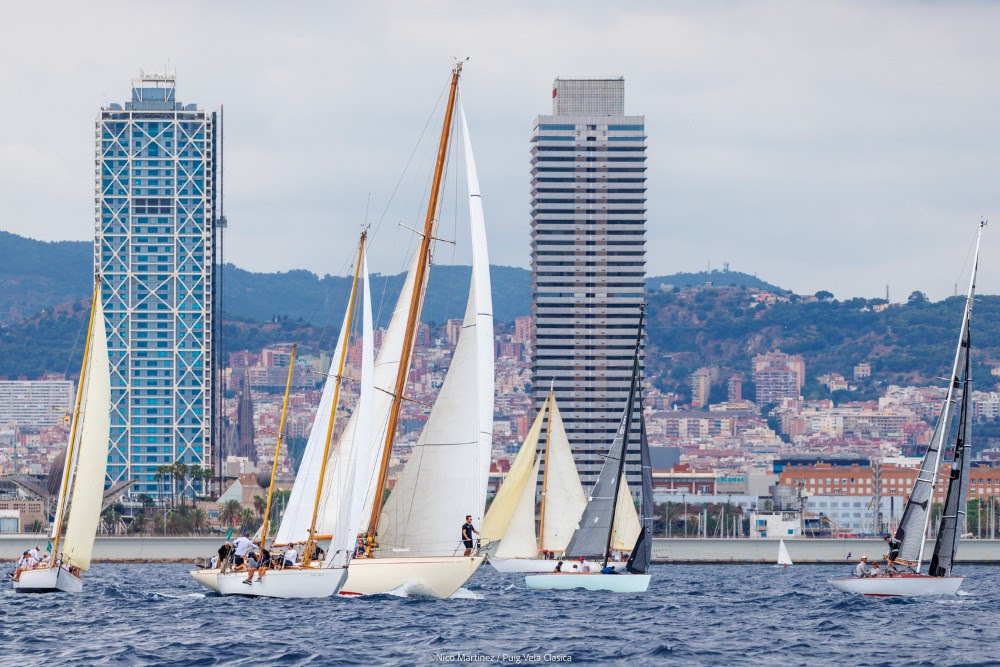
- The event brings together, as it does every year, crews from all corners of the world to delight lovers of classic sailing.
- Racers and spectators will enjoy moderate winds and clear days, perfect for sailing.
- La Barceloneta Beach, Port Vell, the Port Olímpic, or the Maremàgnum bridge will be the prime vantage points from which enthusiasts can follow the various races most clearly.
Tomorrow, when the Real Club Náutico de Barcelona opens its doors to welcome the first skippers, one of the most unique fixtures in the European nautical calendar will begin. From the 8th to the 11th of July, the 19th edition of the Puig Vela Clàssica Barcelona will bring together more than 45 period and classic vessels arriving from different countries, in a regatta that for nineteen years has turned the city’s coastline into a spectacle as much about sport as it is about heritage.
The event, organised by Puig and the RCNB, will begin tomorrow, Wednesday, with the arrival of owners and crews, participant registration, and the traditional welcome ceremony, kicking off a few days in which the passion for classic sailing will merge with the Mediterranean lifestyle. Between Thursday and Saturday, the sea will be the stage for the various races, with starts scheduled from 13:00, while the prize-giving ceremony on the afternoon of Saturday the 11th of July will provide the finishing touch to a week in which centenary vessels, elegance, and tradition will once again turn the Barcelona coast into a unique spectacle.
The weather will be in the racers’ favour. According to the latest AEMET forecasts for the Barcelona coastline, the week will be marked by predominantly sunny weather and atmospheric stability, although high temperatures have led to heat warnings in the area. The wind will follow the usual pattern for summer days in Barcelona: light during the morning and strengthening after midday thanks to the thermal breeze regime, with intensities that could range between 8 and 15 knots during the central hours, allowing the programme of events to be completed as normal.
From the Oval Office to a Duran Duran music video
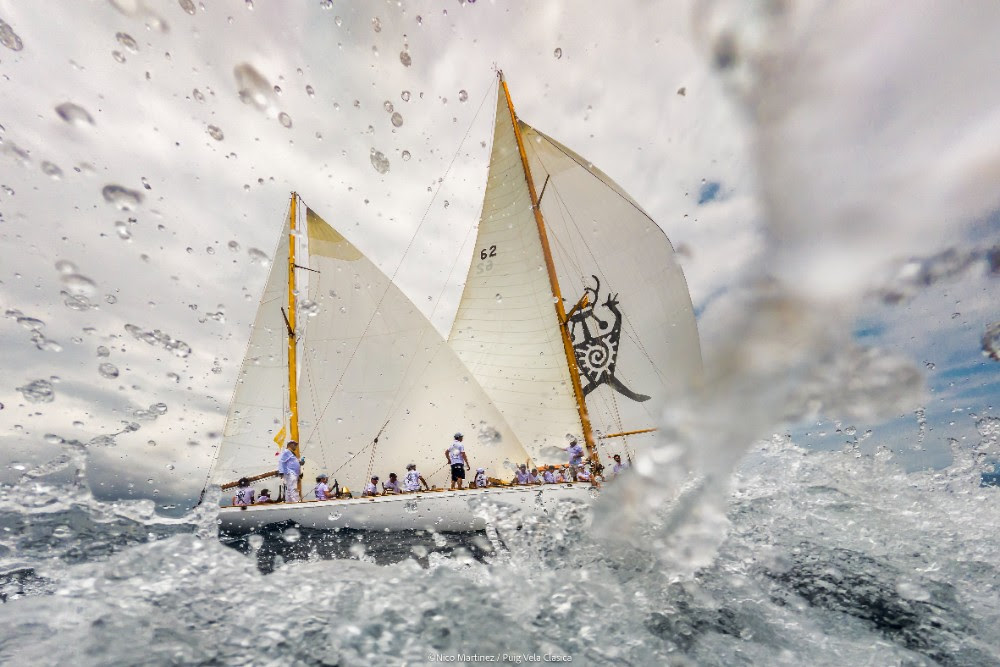
Behind every wooden hull competing these days, there is almost always a story that deserves to be told. This is the case of the Manitou, a 1937 sloop that came to be known as the “Floating White House” after John F. Kennedy made it his favourite retreat during the most tense years of the Cold War. Built by the M.M. Davis & Son shipyard and designed by Sparkman & Stephens, the boat had already won the Chicago-Mackinac Race one year after its launch, long before politics made it famous.
Just as cinematic as that story is that of the Eilean, a 1936 Scottish ketch, the work of William Fife III, which in 1982 became world-famous when it appeared in the music video for “Rio” by Duran Duran. The glory years were followed by a long voyage of neglect: the boat ended up stranded in Antigua, deteriorated and without one of its masts, until in 2006 the then CEO of Panerai financed its full restoration. It returned to sailing in 2009 and today is one of the most cited symbols of the recovery of European maritime heritage.
Barcelona, the best balcony over the Mediterranean
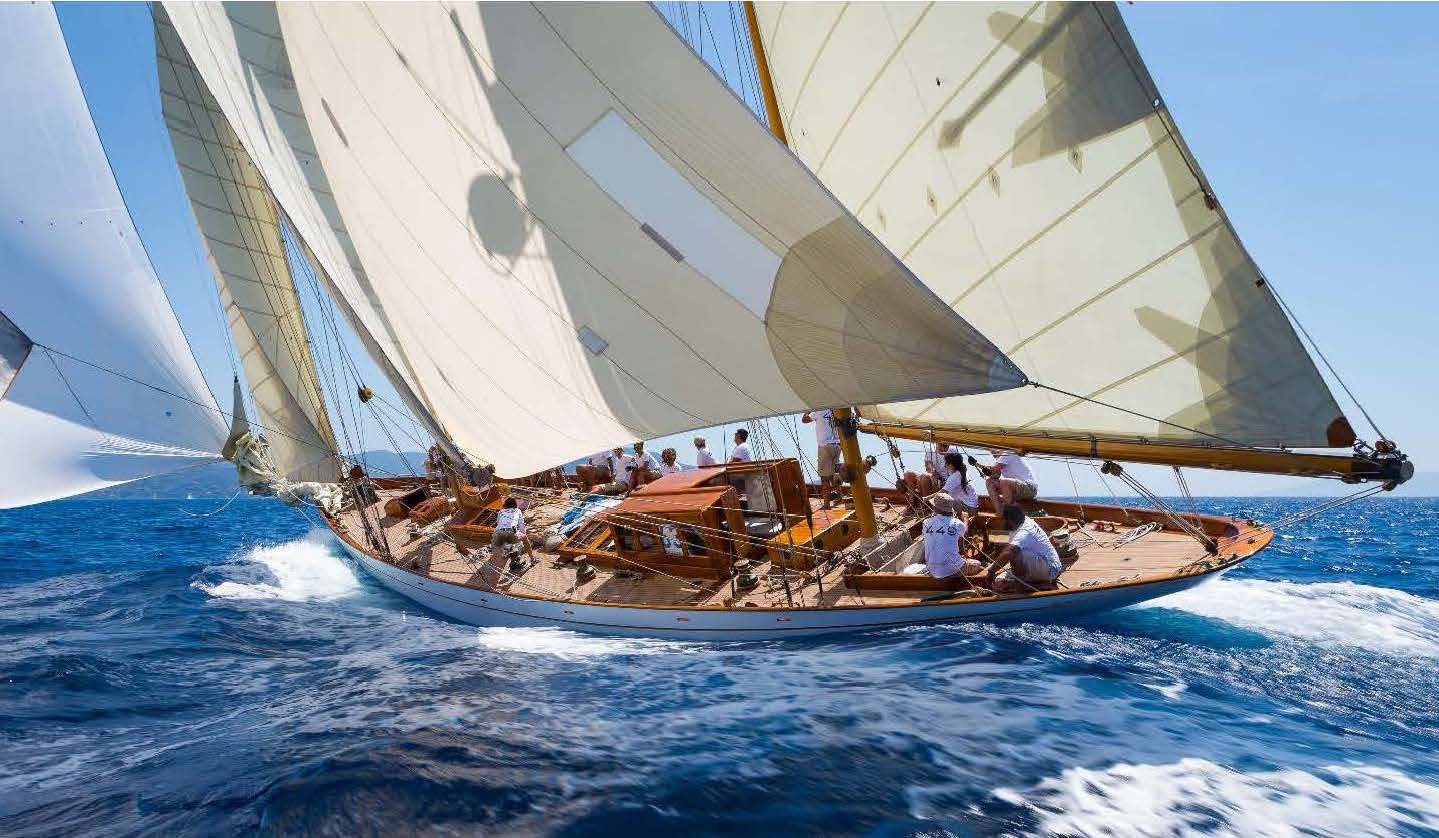
Beyond the competition, the Puig Vela Clàssica also invites you to enjoy the city from a different perspective. During these days, the Barcelona coastline becomes a privileged stage from which to contemplate the parade of some of the most beautiful vessels in the world, with the Mediterranean as a backdrop.
La Barceloneta, Port Vell, the Port Olímpic, or the Maremàgnum bridge are some of the best spots to follow the regatta without needing to board a boat. From there, residents and visitors will be able to enjoy an unusual spectacle: sails unfurled, centenary hulls, and a fleet that sails with the same elegance with which it was conceived decades ago, turning each day into an experience that combines sport, heritage, and the unmistakable Mediterranean lifestyle.
Share


